

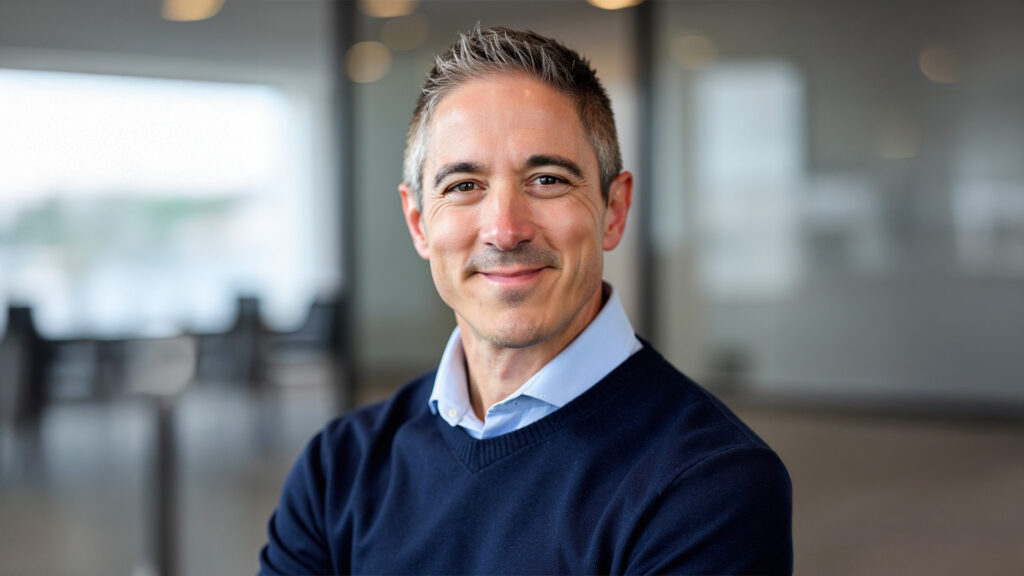
Growth brings opportunity, but it also introduces complexity. Expanding teams, new clients, rapid decisions, and competing priorities will eventually expose weaknesses in systems that once worked well. As a COO and EOS Integrator, Noah Boudreaux believes the companies best positioned for their next stage are the ones preparing deliberately for what expansion will demand.
“Growth companies should prep to handle more complexity, because as you grow, things just get more complex,” Boudreaux says. “The ability to roll with multiple changes simultaneously, while preserving a good foundation, is what growth is built on.”
That foundation requires a willingness to rethink how processes and technology work together, as well as the expectations of the team.
Momentum is Not Enough
There is a point in every company’s development when the approaches that created early success begin to strain. Recognizing this transition is an important part of preparing for scale.
“The familiar phrase that what got you here will not get you there takes on particular significance as organizations move from one stage to another,” Boudreaux notes. “A company expanding from five people to twenty faces different challenges than one scaling from twenty to fifty or two hundred. Yet, one truth remains constant. Leaders must build the capacity to manage change.”
That capability includes bringing in people who have navigated similar transitions before. Experience provides perspective, but it also shapes culture by surrounding existing teams with individuals who understand what scaling requires. The result is greater resilience and a stronger base that can withstand the zigzag line many companies feel as they evolve. Rather than waiting for financial numbers to signal a shift, creating organizational visibility for others to align creates the momentum needed for the journey.
Clarity Starts With Knowing What Matters
Scaling has a way of multiplying priorities, making a grey horizon harder to read. Every new opportunity, competitive threat, or customer issue can appear urgent, but strong teams must maintain a shared sense of direction. Boudreaux’s approach starts with sharpening the picture ahead. Establishing alignment on key objectives needed over the next twelve to eighteen months is a realistic approach to strategic planning. Without that alignment, goals that are too far out create challenges for even sophisticated execution systems, which can pull a business in different directions.
“If everything is trying to be fixed and everything is a priority, then nothing really is,” he says. The harder challenge comes after the planning session, when execution begins and unexpected problems inevitably compete for attention. True discipline is not simply setting priorities and moving on. The willingness to stay the course when circumstances change and keep the team focused on key levers is where progress will spark.
Aligning People, Process, and Technology
As companies refine their execution, they must also rethink how work actually gets done. Boudreaux’s Intelligent Organization framework is built around a structural partnership between humans and AI to help businesses integrate this technology effectively. AI and people bring different strengths, and the goal is to design workflows around those differences rather than allowing technology to displace human judgment by default.
“The future of work is really about how organizations can become more intelligent by leveraging the power of what AI and humans bring to the table simultaneously,” Boudreaux says.
That shift can also redefine management. Rather than disappearing, middle management can evolve into a role centered on orchestrating work across people and systems. Managers can help determine what should be handled by automation, what requires human judgment, and how work should move between the two.
Preparing for a Future No One Can Predict
Leaders can remain intentional about where they want the business to go while staying willing to adjust how they get there. That means protecting core values while experimenting with new approaches, drawing on perspectives across generations, and building a culture capable of absorbing change. The goal is to build enough flexibility to course-correct without falling so far behind that recovery becomes difficult. “We don’t know what it’s going to entail, but we know it’s going to be different,” Boudreaux says.
He points out that this future mindset may ultimately be one of the most valuable organizational capabilities. Companies cannot predict every disruption, technological development, or market shift. They can, however, cultivate the people, systems, and culture needed to respond. For growth-minded businesses, scaling smarter is less about having all the answers today and more about building the clarity and resilience to find them tomorrow.